Welcome to the PuG in Heidelberg
June 3-6, 2026
We are happy to invite you to the 51st Annual Conference “Psychology and the Brain” (Psychologie und Gehirn, PuG), taking place from June 3–6, 2026, at Heidelberg University.
The conference is organized in collaboration with the Biological Psychology and Neuropsychology Section of the German Psychological Society (DGPs) and the German Society for Psychophysiology and its Application (DGPA).
As in previous years, the program will cover a wide range of topics, from the neurobiological foundations of behavior and experience to applied psychological research. You can look forward to three keynote lectures, a variety of focused symposia, and engaging poster sessions presenting current work from across the field.
Keynote Speakers
Professor
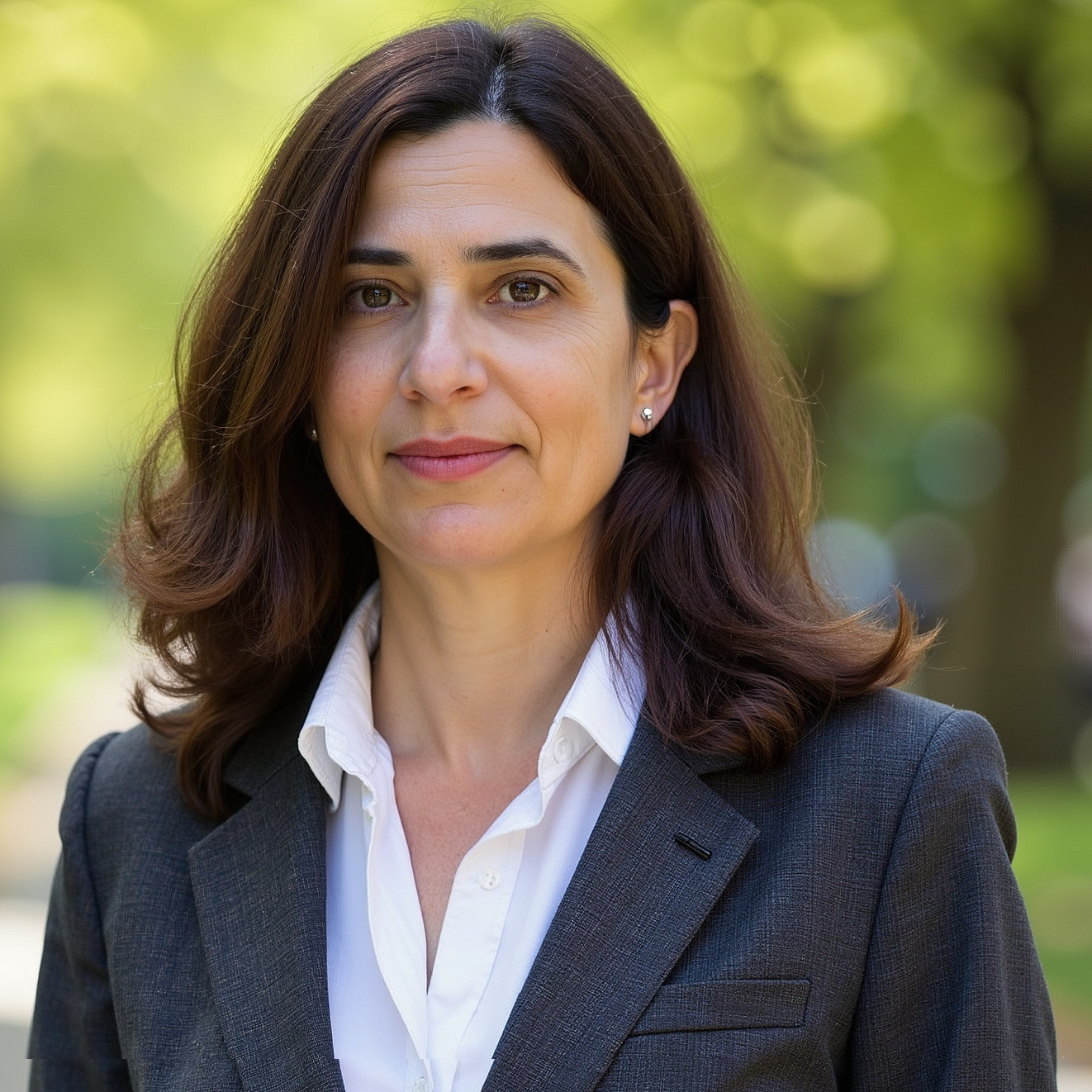
Simone Shamay-Tsoory
University of Haifa
Show more
Title: It takes two to empathize: Inter-brain coupling during empathic interactions
Abstract: Although empathy occurs in social interactions, research on empathy have largely focused on covert mechanisms of empathy in the observer (empathizer), without exploring how empathic reactions affect the distress of the target. In a set of experiments, we examined a feedback loop model that describes the participation of empathy-related brain regions in the interpersonal emotion regulation cycle. A central role in the empathy feedback loop is played by inter-brain coupling between regions in the observation-execution system (including the inferior frontal gyrus and inferior parietal lobe) of interacting participants. Given that empathic interactions develop over time, the question remains whether inter-brain coupling can increase over the course of one or multiple interactions. We recently suggested that inter-brain plasticity, the ability of interacting brains to modify the coupling between brains in reaction to repeated interactions underlies learning in social interactions (Shamay-Tsoory, 2021). We examined this approach in a study on psychotherapy and demonstrate gradual increase in inter-brain coupling between the client and psychotherapist over three therapeutic sessions. These findings indicate that as the therapist adapts her response to the client, the inter-brain networks between them reconfigure. This framework may explain how empathic responses may improve over time and how we learn to mutually adapt our responses during social interactions.
Biosketch: Simone Shamay-Tsoory is professor at the Department of Psychology at the University of Haifa. She heads the Integrated Center for Brain and Behavior and the Haifa Brain and Behavior Hub. Her major research interest is in understanding how the brain represents emotions and social behaviour. Her lab uses advanced neuroscience tools including neuroimaging, neurostimulation, and psychopharmacology, to investigate the brain and behaviors of typically developing individuals and individuals with autism spectrum conditions. Her work on the neural basis of human empathy, revealed the brain basis of empathy and social cognition.
Professor
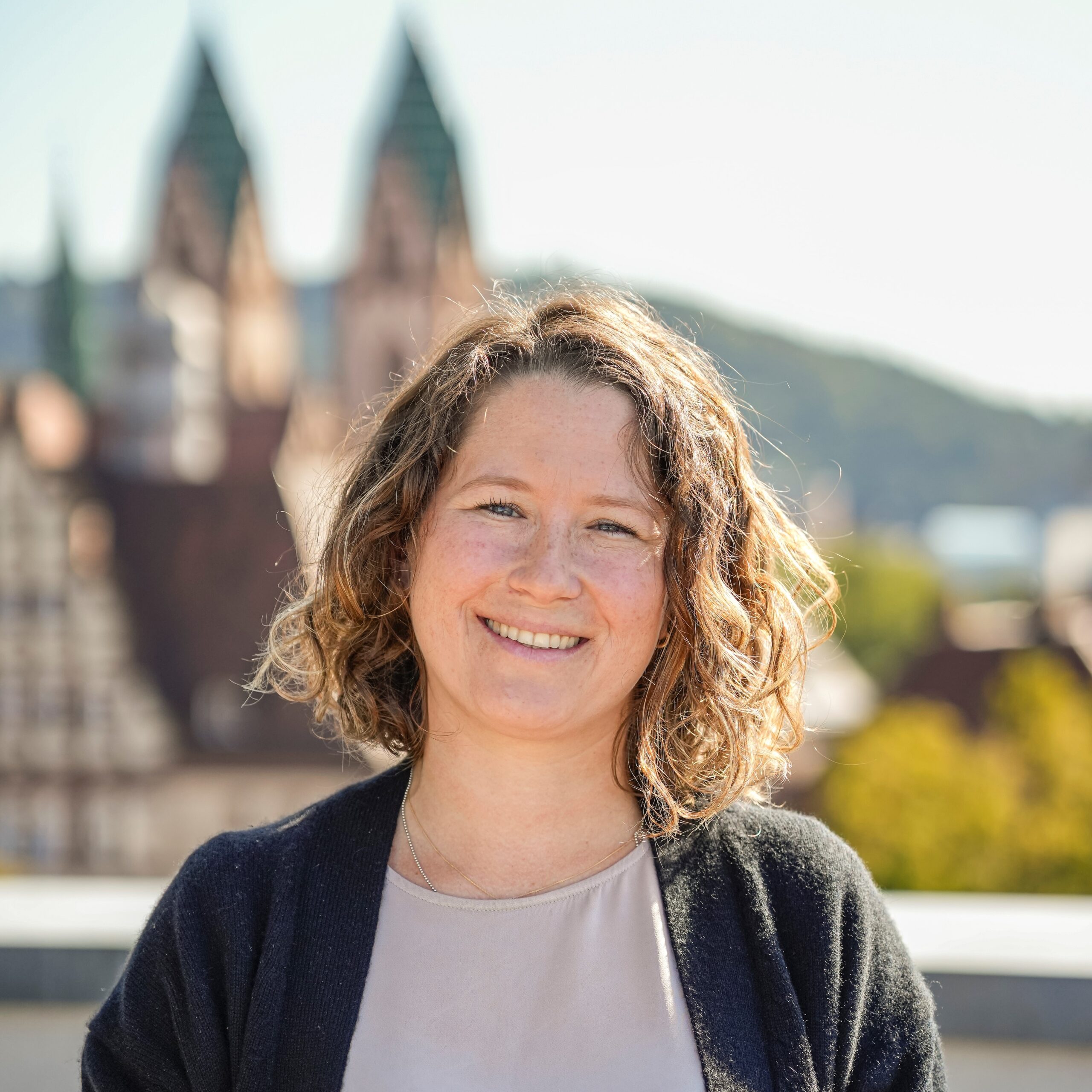
Monika Schönauer
University of Freiburg
Show more
Title: The role of reactivation in forming long-term memories.
Abstract: New memories are initially labile and have to be consolidated into stable long-term representations. This is supported by a shift in the neural substrate that supports the memory, away from rapidly plastic hippocampal networks towards more stable representations in the neocortex. Repeated activation of the neural circuits that store a memory contributes to the formation of neocortical long-term memory representations. This may be achieved by repeated study during wakefulness or by a covert reactivation of memory traces during sleep.
We investigate memory consolidation in the human brain by non-invasive in-vivo imaging of functional brain activity (fMRI, EEG) and microstructural plasticity (DW-MRI). We demonstrate that active rehearsal of learning material during wakefulness can facilitate rapid systems consolidation, supporting immediate formation of lasting memory engrams in the neocortex, even when participants study complex episodic narratives. These representations, observed in both brain activity and brain microstructure, satisfy general mnemonic criteria: They are long-term stable, drive behavior, and code the specific content of what has been learnt.
Offline periods such as sleep also help stabilize memories. Using multivariate pattern analysis on brain imaging data, we show that humans spontaneously reprocess previously studied episodic narratives during sleep. This reactivation benefits memory retention and is reflected in dream content. Thus, online and offline reactivation jointly support memory consolidation and shape conscious experience in wakefulness sleep.
Biosketch: Monika Schönauer is Chair of Neuropsychology at the Institute of Psychology, University of Freiburg. Her research investigates how humans form stable long-term memories. Using multimodal brain imaging, her group studies learning-induced physiological changes in the human brain and the factors that support successful memory storage during wakefulness and sleep. A particular focus is on memory reactivation—the reprocessing and rehearsal of learned information—and its role in long-term memory formation.
Professor
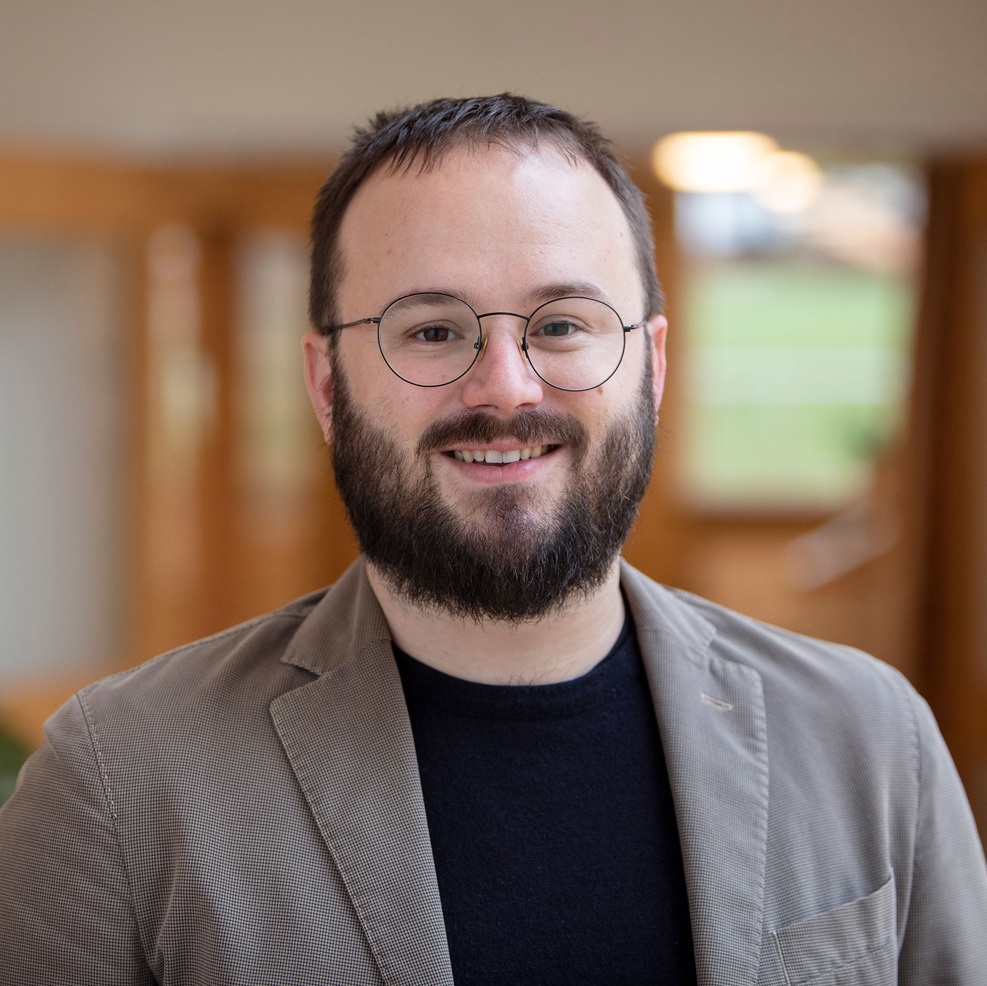
Micah Allen
Aarhus University
Show more
Title: Toward Causality in Interoception Research: Measuring and Modulating Gastric, Respiratory, and Cardiac Signals
Abstract: Interoception research, much like the visceral body it studies, waxes and wanes over the decades. One constant in this cycle is the challenge of gaining direct access to the organs involved. Unlike exteroceptive systems, shifting visceral signals in humans is difficult without crossing into invasive methods. In this talk I will outline new approaches to measuring interoception across gastric, respiratory, and cardiac domains, and highlight recent work where we test ways of intervening on these axes. To move from correlational description toward mechanism, we need interventions that are both reproducible and meaningful. I will look back at some of the earlier attempts that shaped the field, then turn to current work that shows where progress may come next.Research on interoception has long been limited by the difficulty of directly accessing visceral signals without invasive methods. In this talk, new approaches to measuring interoceptive signals across gastric, respiratory, and cardiac domains are presented.
Biosketch: Micah Allen’s research pursues the central question: how does the body shape the mind? To address this question, he integrates perspectives and tools from cognitive science, philosophy of mind, and computational neuroscience. He is fascinated by how subjective experience is coupled to visceral and autonomic rhythms, and how the sense of self arises from the integration of the milieu intérieur with metacognitive self-narratives. Methodologically, he has spent much of his career advocating for a radically open approach to science, and together with his research lab the Embodied Computation Group develops open-source tools for data visualization, computational modelling, and the measurement of self-experience. Micah Allen previously trained at the University College London and the University of Cambridge, before moving to Denmark to start his lab.


Program committee

Juta Billino

Claudia Buß
Sarah Danböck
Philipp Kanske
Laura-Isabelle Klatt

Alina Koppold
Dirk Hagemann
Gesa Hartwigsen

Anne Saulin
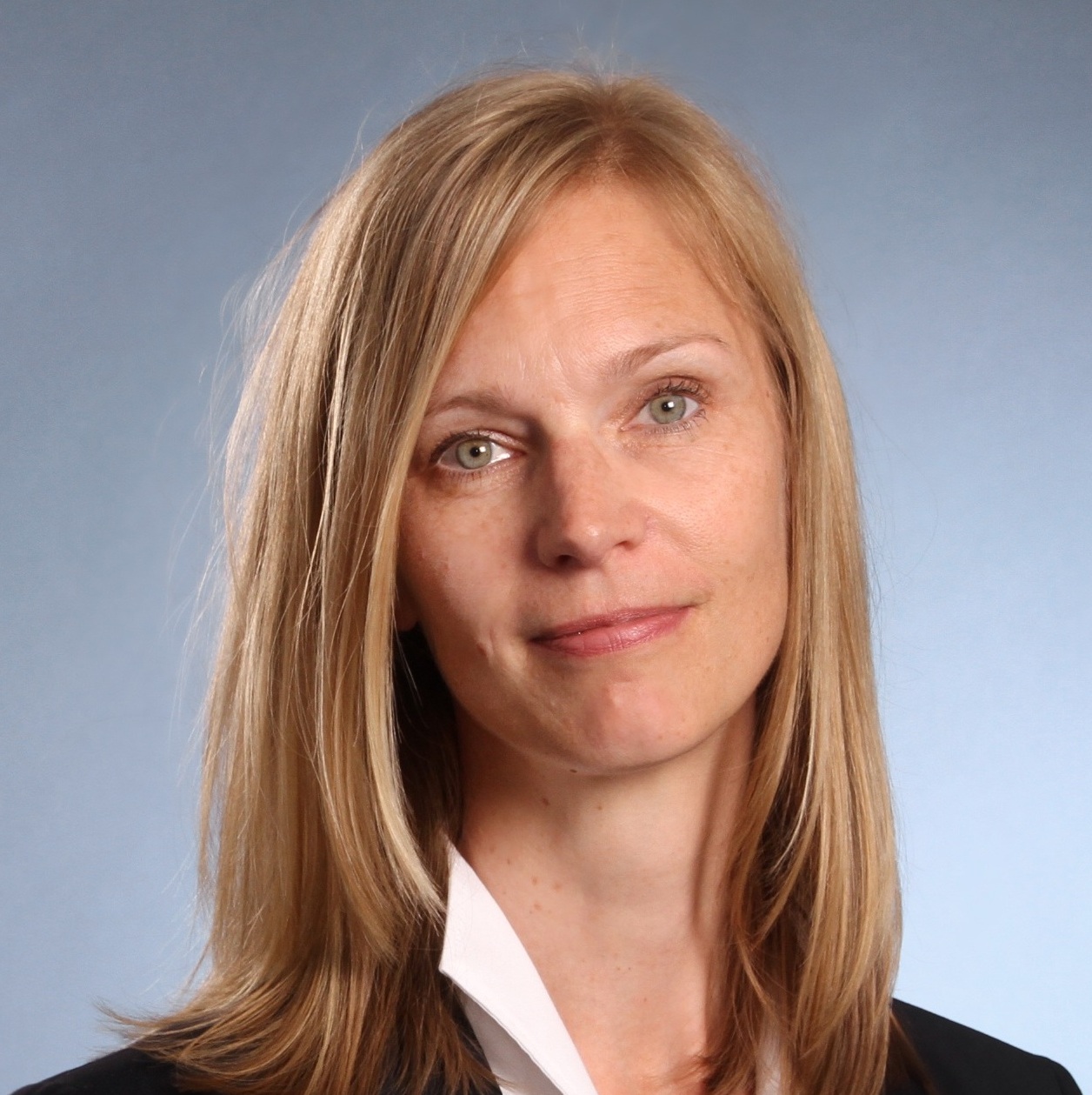
Katja Petrowski
Organization Team
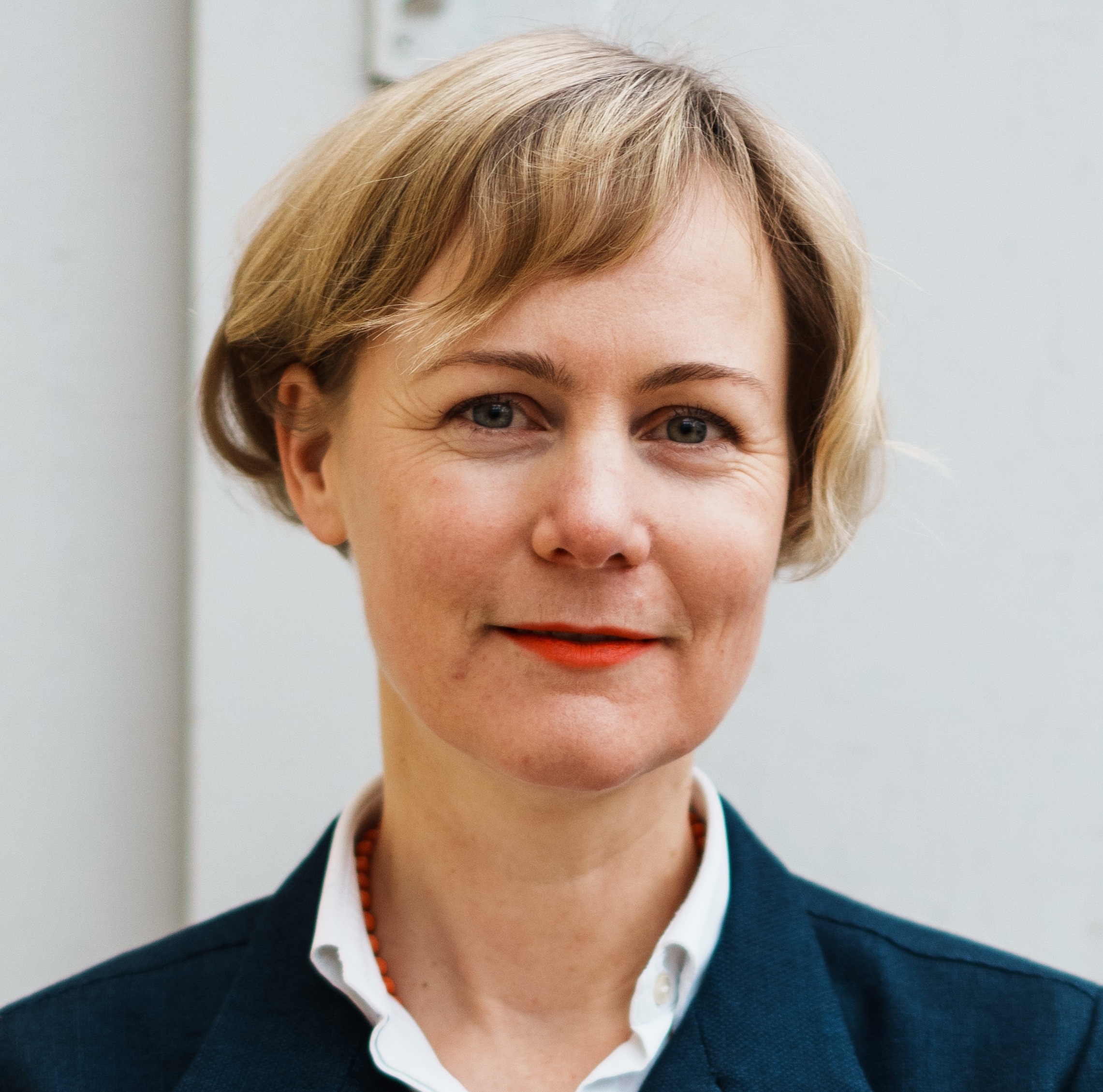
Beate Ditzen
Bastian Schiller
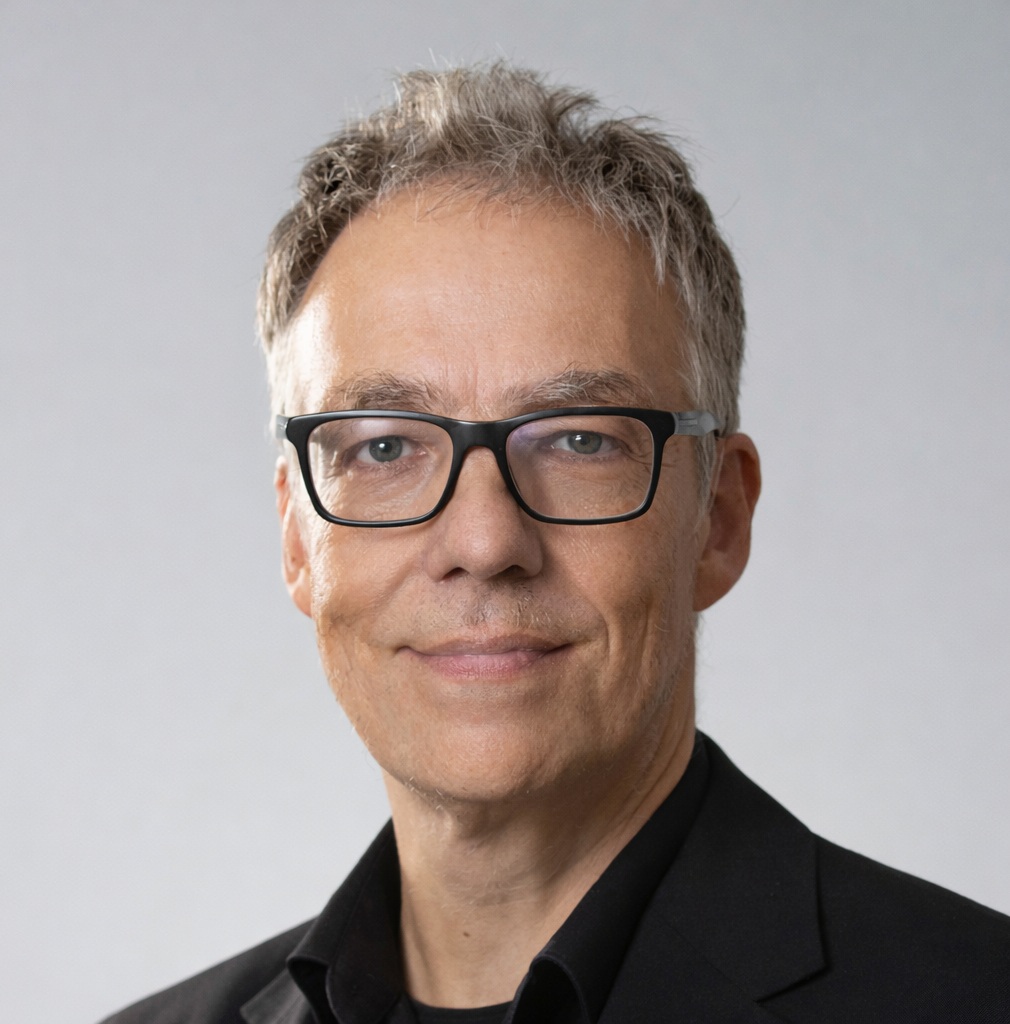
Peter Kirsch

Martin Gerchen

Nina Judith Kempf
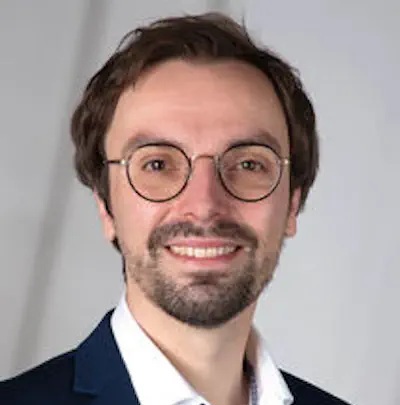
Christoph Korn
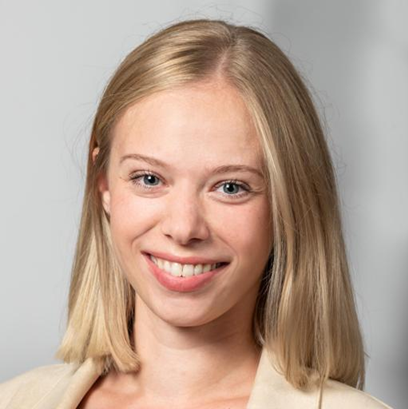
Carlotta Mayer
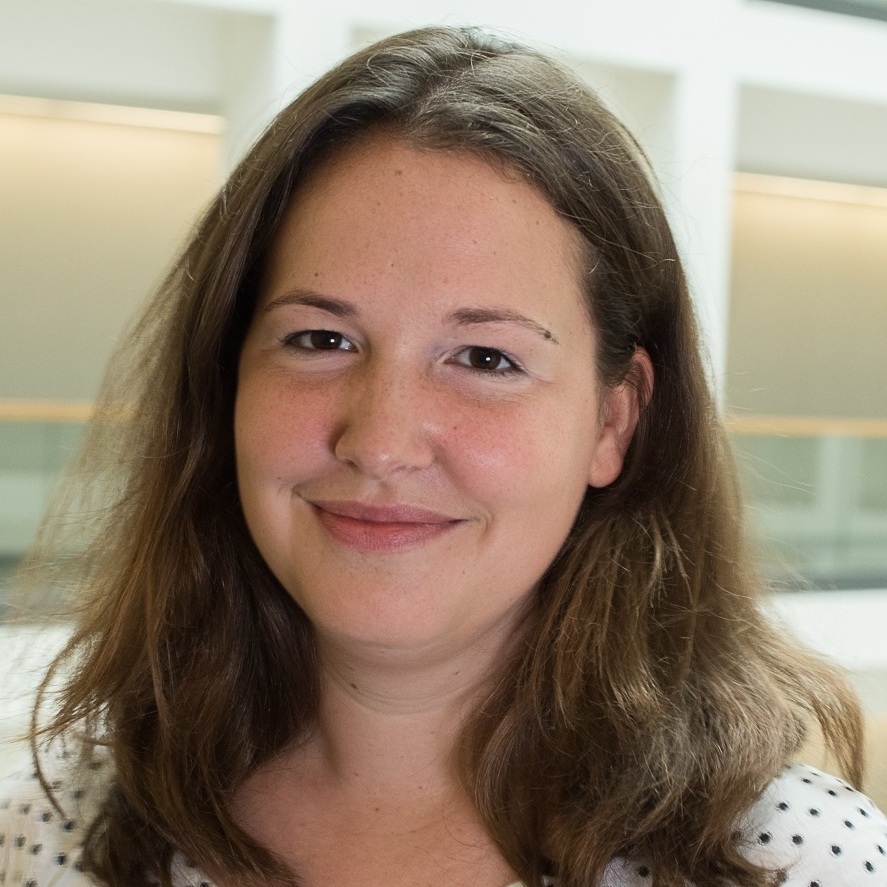
Nora Moog
Martin Stoffel

Gordon Feld